Media self-censorship under yakuza pressure
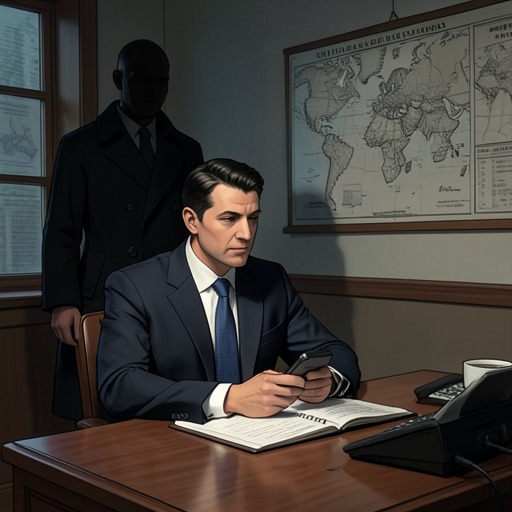
Tokyo ViceMedia self-censorship under yakuza pressure is not shown as a single order silencing every newsroom, but as a climate in which the expected costs of reporting can shape what editors accept, what newspapers ignore, and how published stories are attributed. In Jake Adelstein’s account, threats against media workers operate alongside commercial influence and institutional caution: even without a censor at the page, an investigation can be stopped before it reaches readers, or appear only after another outlet has taken the risk.
A constrained media environment
The reporting system Adelstein describes already had narrow channels of access. At the Tokyo Metropolitan Police Department, the official press-club floors served newspapers, television, radio, and local newspapers, while weekly and monthly magazines were excluded. Foreign media representatives were absent as well. The police regarded the excluded magazines as scandal-oriented, and the mainstream Japanese outlets had little incentive to challenge a structure from which they benefited. This press-club arrangement was not itself an act of yakuza intimidation, but it supplies important context: information circulated through a limited set of established institutions, with fewer independent routes into public view.
The account distinguishes that institutional setting from the pressure applied by criminal organizations. A National Police Agency report on Tadamasa Goto’s organization described intimidation of the mass media as one of its methods, warning that members used the organization’s name and power to threaten those responsible for unfavorable coverage. The report presented intimidation as deliberate and persistent, not simply a momentary outburst. In that environment, editors had reason to consider not only whether a story could be substantiated, but also what might follow from publishing it.
Commercial influence and anticipated retaliation
A large leak of police files gave Adelstein details that connected Goto’s influence to the entertainment business. The files listed Burning Productions, a powerful talent agency, among companies associated with Goto. Control over access to prominent performers could create leverage over television stations: an outlet that crossed Goto might lose access to actresses, singers, and other entertainers. Because many newspapers were affiliated with television networks, the pressure could reach beyond television itself. The account describes the underlying calculation plainly: entertainment revenue outweighed news revenue.
This mechanism widened the meaning of a threat. An editor did not need to receive a direct warning for the possibility of lost programming, damaged business relationships, legal expenses, or physical retaliation to become part of a publication decision. The threatened consequence could be commercial rather than explicitly violent, yet still make an investigation appear too costly to pursue. Goto’s alleged influence over media access thus joined the direct intimidation described in the police report, creating pressure at both the organizational and editorial levels.
Stories stopped before publication
Adelstein encountered that pressure while trying to publish his investigation into Goto’s liver transplant and related dealings. A weekly magazine declined the story without giving reasons. He later prepared an article, but no one he approached would publish it. Some responses focused on the age of the story, concern that the National Police Agency might be embarrassed, or doubt that the FBI would confirm it. One newspaper showed interest only in attacking the FBI, an approach Adelstein rejected because he did not believe the agency had been wrong to make the deal and did not want his source, Jim, turned into a target of ridicule.
A senior publishing-house editor gave a more explicit account of the risks. Publishing, the editor said, could bring legal action from Goto, substantial security costs, and retaliation that might injure people or include an attack on the publisher’s offices. The publisher also did printing for Soka Gakkai and feared that Goto could cause those contracts to be withdrawn. The decision therefore involved more than an abstract concern about controversy: it joined legal exposure, staff safety, property, and the loss of other business. The book project was eventually abandoned by Kodansha International after an outside risk assessment concluded against publication.
The same silence appeared within Japan’s newspaper industry. Adelstein sent the article to Yomiuri Shinbun before it appeared elsewhere; it did not publish or respond to it. Other Japanese newspapers also ignored it. The refusal was consequential because Adelstein had expected that response and had already begun working with the Los Angeles Times. The episode shows self-censorship as a sequence of ordinary editorial decisions—declining, delaying, or declining to investigate—rather than as a publicly announced prohibition.
Publication, attribution, and consequences
The Los Angeles Times published the story on its front page on May 31. Japanese media could no longer ignore it entirely, but many reports presented the information as something reported by the Los Angeles Times. Adelstein found no Japanese article that independently verified the account or investigated it further. Attribution to a foreign newspaper allowed domestic outlets to acknowledge the story while distancing themselves from responsibility for its claims. Publication broke the silence without fully breaking the pattern of cautious handling.
The later anthology about Goto’s dealings also brought repercussions. Its editor, Tomohiko Suzuki, received the phone calls and threats. A yakuza-oriented magazine attacked Adelstein with allegations about his motives and political affiliations, turning attention from the reported evidence toward the reporter himself. Kodansha International withdrew the book after its risk assessment. These reactions show that publication could transfer the burden onto editors, publishers, and colleagues even when the reporter was not the person receiving the threats directly.
The account also records an outcome that complicated the deterrent effect. Around October 14, Goto was expelled from the Yamaguchi-gumi, and a number of his associates were suspended, expelled, or permanently banished; the Goto-gumi split into two crime families, leaving Goto no longer a crime boss. The public explanation differed from what police told Adelstein: they described the anthology’s publication as the tipping point. Thus the work that publishers had feared carrying was also understood by police as having consequences inside the organization. The contrast defines the state’s central tension: pressure could keep reporting from circulation, yet making the evidence public could challenge the power that had helped suppress it.